

Goal of Automation in Business: What It Is and How HYBot Delivers It
Introduction
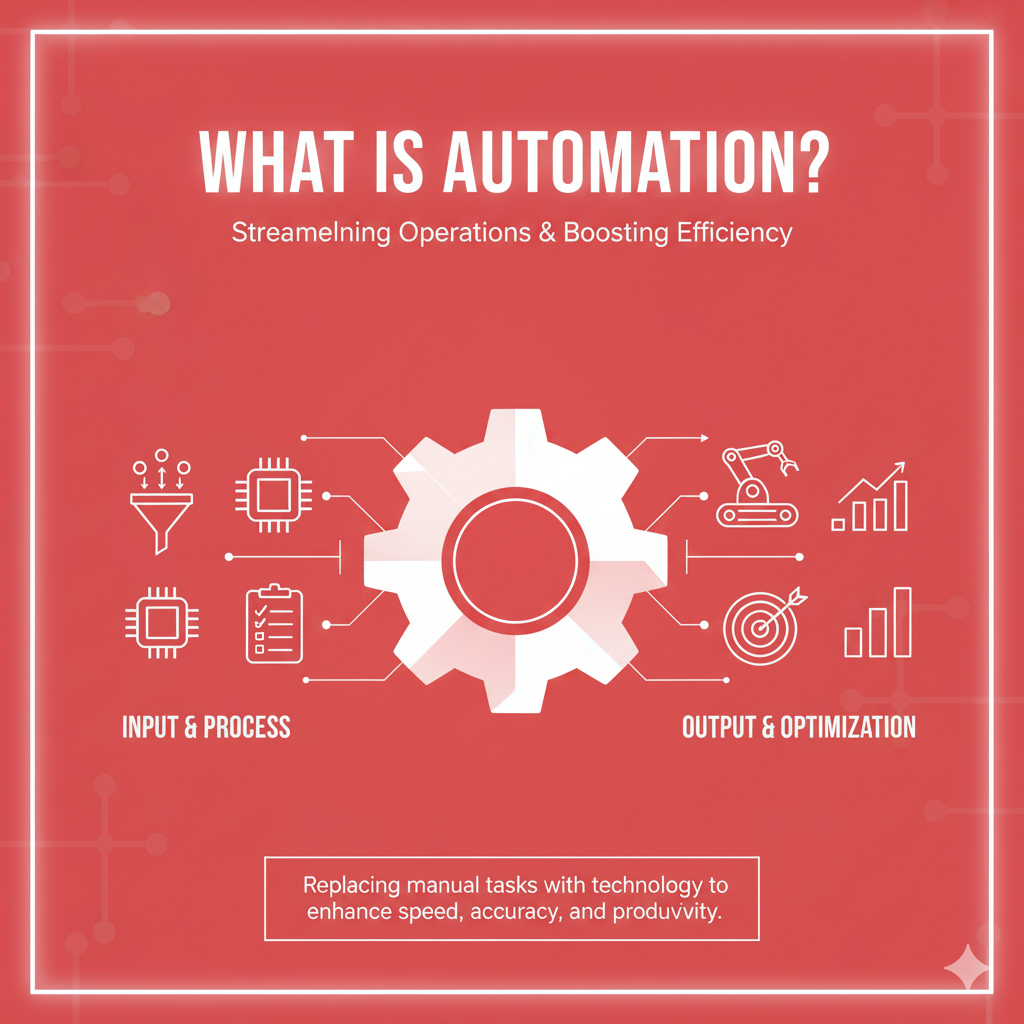
The Goal of Automation in Business is often described in one sentence, yet in practice it involves a rich set of principles, metrics, and cultural changes. Many teams start automation projects to save time, but the true impact is broader. The Goal of Automation in Business is to reduce error rates, shorten cycle times, and shift human effort toward creative and strategic tasks. The Goal of Automation in Business also includes transparency, compliance, and better decision quality. With HYBot, these goals become achievable through intelligent orchestration that connects data, documents, and systems. If you want a deeper dive into practical use cases, you can explore articles on our blog at hyperict.fi/blog
and also visit our companion blog on hyper-ict.com/blog
.
What do we mean by the goal of automation
When leaders ask for automation, they are not asking to replace people. They want to remove bottlenecks that slow down work. They want to stop copy and paste routines. They want decisions to be based on accurate and current data. In short, the Goal of Automation in Business is to create a flow where the right actions happen at the right time with the least friction. The outcome is more time for people to solve complex problems, design better services, and build relationships with customers.
From tasks to outcomes
A common mistake is to automate individual tasks without looking at the full outcome. Sending a weekly report is a task. Ensuring that the right stakeholders receive an accurate summary that leads to a better decision is an outcome. The Goal of Automation in Business is to transform isolated steps into end to end outcomes. HYBot focuses on outcomes by combining retrieval of trusted information with precise execution. It reads the policy, extracts the rules, retrieves the data, and completes the workflow while recording what happened.
The four core objectives of business automation
- Accuracy: Errors cost money and reputation. Automation reduces human mistakes in data entry, file handling, and calculation. HYBot validates entries, checks for missing fields, and cross references values across systems.
- Speed: Customers will not wait. Automation removes waiting time between steps. HYBot runs tasks in parallel when possible, shortens cycle time, and provides results on demand.
- Consistency: Every department should follow the same rules. HYBot enforces policies by reading the latest version of your procedures and applying them to each workflow.
- Focus: People should focus on high value decisions. HYBot handles repetitive steps so teams can invest attention where human judgment matters. The Goal of Automation in Business is not to remove people but to promote human work to a higher level.
Why HYBot for automation
HYBot combines Retrieval Augmented Generation with workflow execution. Retrieval ensures the AI uses verified documents such as policies, templates, product specifications, or contracts. Generation turns those sources into human friendly outputs like emails, summaries, or forms. Execution connects the result to your tools. HYBot calls APIs, updates records, creates tickets, and sends notifications. This design turns knowledge into action while maintaining traceability.
For articles about RAG, metrics, and practical patterns, see our posts at hyperict.fi/blog
. For a broader view of enterprise automation and security, also check hyper-ict.com/blog
.
Business automation objectives across departments
Sales
Objectives include faster quote creation, clean pipeline data, and timely follow ups. HYBot reads price lists, applies discount rules, and drafts proposals that are aligned with policy. It can push updates to CRM, send tasks to account managers, and log the next step.
Customer support
Objectives include lower response time, more consistent answers, and accurate escalation. HYBot routes requests, drafts replies from your knowledge base, and attaches the correct forms. It flags complex issues for human review. Over time this raises first contact resolution.
Finance
Objectives include timely invoicing, complete reconciliations, and clean audit trails. HYBot generates invoices, checks payments, and raises alerts when anomalies appear. It stores logs with timestamps for audits. It reduces month end stress and supports a predictable close.
Operations and supply chain
Objectives include stock accuracy, on time purchase orders, and clear supplier communication. HYBot watches reorder points, prepares purchase orders, and confirms delivery notes. It keeps ERP and warehouse data in sync, which supports better planning.
HR and internal services
Objectives include smooth onboarding, policy compliance, and faster time to productivity. HYBot guides new hires through steps, answers common questions from approved documents, and collects required forms automatically.
How HYBot connects your systems
Automations fail when data is locked in silos. HYBot connects CRM, ERP, accounting, warehouse, and communication platforms. It uses role based credentials under Zero Trust rules. A typical flow looks like this. A new order is confirmed in CRM. HYBot checks stock in ERP, updates shipping details in warehouse software, posts the invoice in accounting, and notifies the manager in chat. The same flow records a clear log. This shows exactly what was done, by whom, and when.
The role of RAG in reliable automation
Generic AI can write a nice answer, but a reliable process needs documents and facts. HYBot uses RAG to bring the right passages to each step. For example, a financial email must match the current credit policy. HYBot retrieves the latest document, extracts the relevant clause, generates the message, and attaches the citation in the log. This is how the Goal of Automation in Business connects to compliance and trust.
Zero Trust and safety
Automation should not expand risk. HYBot follows Zero Trust principles. Every request is authenticated. Every document has an owner. Every action is recorded. Sensitive workflows only run for approved users. Access is segmented, so a sales user cannot view payroll and a warehouse user cannot edit revenue data. This separation keeps data safe and still allows a clean flow.
Measuring success with clear KPIs
Set measurable indicators before you start. Typical KPIs include:
- Cycle time per process measured before and after launch
- Error rate for entries, calculations, or document versions
- First contact resolution in support and internal service desks
- Automation coverage as a share of total volume
- Human effort saved converted to hours and cost
- Policy compliance rate based on log review
When you select KPIs, tie them to a baseline. The Goal of Automation in Business is to move those numbers in a consistent, verifiable way.
A three tier model for automation maturity
Tier 1: Task automation
Automate simple actions such as status updates, reminders, and data sync. This provides immediate gains and builds confidence.
Tier 2: Process automation
Link multiple tasks into a flow. Add gateways and approvals. Use RAG to read policies and templates. This tier creates stability.
Tier 3: Decision support and prediction
Use history to anticipate needs. Suggest next best actions. Propose optimizations such as batch scheduling or exception rules. Humans approve and adjust. This tier creates strategic leverage.
Practical steps to start with HYBot
- Identify one process with clear boundaries, for example invoice generation or onboarding.
- Map inputs and outputs including documents and systems.
- Define success metrics such as cycle time and error rate.
- Prepare documents in a clean folder. Include the official policy, not drafts.
- Connect systems with least privilege credentials.
- Run a pilot for two weeks. Review logs and adjust.
- Scale to related processes and share a common library of steps.
You can review starter ideas and case notes on hyperict.fi/blog
and then explore expanded how to guides on hyper-ict.com/blog
.
Common pitfalls and how to avoid them
Automating chaos
If a process is undefined, automation will only move the chaos faster. Define the steps and owners first.
Ignoring exceptions
Every process has exceptions. Add a branch for unknown inputs and always log the handoff to a human.
Over coupling
Avoid rigid point to point scripts that break with each update. HYBot abstracts steps into reusable actions that survive changes.
No governance
Decide who owns the documents, who approves changes, and how versioning works. HYBot records sources so the origin of each rule is visible.
No training or adoption plan
People need to see how automation helps them. Provide short guides and celebrate wins. The Goal of Automation in Business depends on adoption, not just technology.
The economics of automation
Time saved is the most visible result, yet the deeper value comes from quality. Fewer errors lead to fewer refunds, fewer disputes, and fewer lost opportunities. Faster cycles lead to faster revenue. Better logs lead to smoother audits and less legal risk. When you add these effects, the return on investment grows month after month. HYBot pricing is designed for gradual expansion, so you can start with one process and scale as results appear.
Ethics and transparency
Modern automation must be understandable. People should know why a step was taken. HYBot explains actions with references to the documents used. If a manager wants to know why a discount was not applied, the log points to the rule and the date. This transparency builds trust across the company and supports a culture where people and AI work as partners.
Examples of outcomes powered by HYBot
Quote to cash
HYBot creates quotes from the latest price list, routes for approval, sends to the customer, and updates the pipeline. When the deal closes, it posts the invoice and notifies the warehouse.
Support triage
HYBot reads incoming messages, matches them to verified knowledge, drafts replies, and escalates when the issue is new. It learns patterns from resolved tickets.
Compliance reporting
HYBot gathers evidence from systems, checks the policy text, and writes the report with references. The reviewer sees every source.
Certificate and license operations
HYBot monitors expirations, renews on time, and records proof. This removes urgent surprises from IT and operations.
How content powers automation
Documents are the backbone of each flow. Policies tell you what should happen. Templates show how it should look. Checklists show what is complete. HYBot treats these as living assets. When a document changes, the new version is indexed and the next run uses current rules. This keeps automation aligned with your decisions without manual rewrites.
Why speed to value matters
Projects fail when value arrives too late. HYBot starts small and delivers results quickly. A two week pilot that cuts cycle time by half creates momentum. Teams ask for more. Leaders see measurable gains. This is how the Goal of Automation in Business becomes a habit instead of a project.
Training the organization
Automation changes habits. Provide a short onboarding for each team. Show where to trigger a flow, how to review logs, and how to request an update. Explain what the AI can and cannot do. Encourage people to propose candidates for automation. HYBot supports a shared backlog so ideas move from request to delivery.
Data quality and observability
Automation depends on clean data. HYBot checks formats, flags missing fields, and can request corrections. Observability shows throughput, success rate, retries, and average time per step. If a step slows down, you can see it. If a rule becomes obsolete, you can replace the document and keep the flow intact.
Security, compliance, and audits
Every action is linked to a user role, a document source, and a timestamp. You can answer the audit questions of who, what, when, and why. Sensitive data is masked where needed. Access is controlled by policies that follow least privilege. These features make automation suitable for regulated industries without custom code.
The cultural shift
The Goal of Automation in Business is also cultural. It signals that work should be designed, tested, and improved. It shows that time is a precious asset. When people see that routine work is handled, they take on challenges that need insight and empathy. This is how automation supports growth rather than just cost control.
Looking ahead
The next wave of automation will be predictive and proactive. HYBot will suggest workflows when it detects a pattern. It will prepare drafts before someone asks. It will propose changes based on analytics, such as combining two reports or a new threshold for stock alerts. Human review will remain central, and AI will continue to prepare the heavy lifting behind the scenes.
Conclusion
The Goal of Automation in Business is to create reliable outcomes with less friction, fewer errors, and faster cycles. It is about turning documents into actions, turning data into decisions, and turning time into value. HYBot delivers on this goal through retrieval of trusted knowledge, secure execution, and clear observability. Start with one process, measure the gains, and expand from there. To explore guides, tips, and customer stories, visit our blog at hyperict.fi/blog
. For more perspectives on enterprise adoption and security, browse our posts on hyper-ict.com/blog
.
Hyper ICT X, LinkedIn, Instagram
- Miad Dadbin
- 2025-11-14
- 8:00 am
- 0 comments